
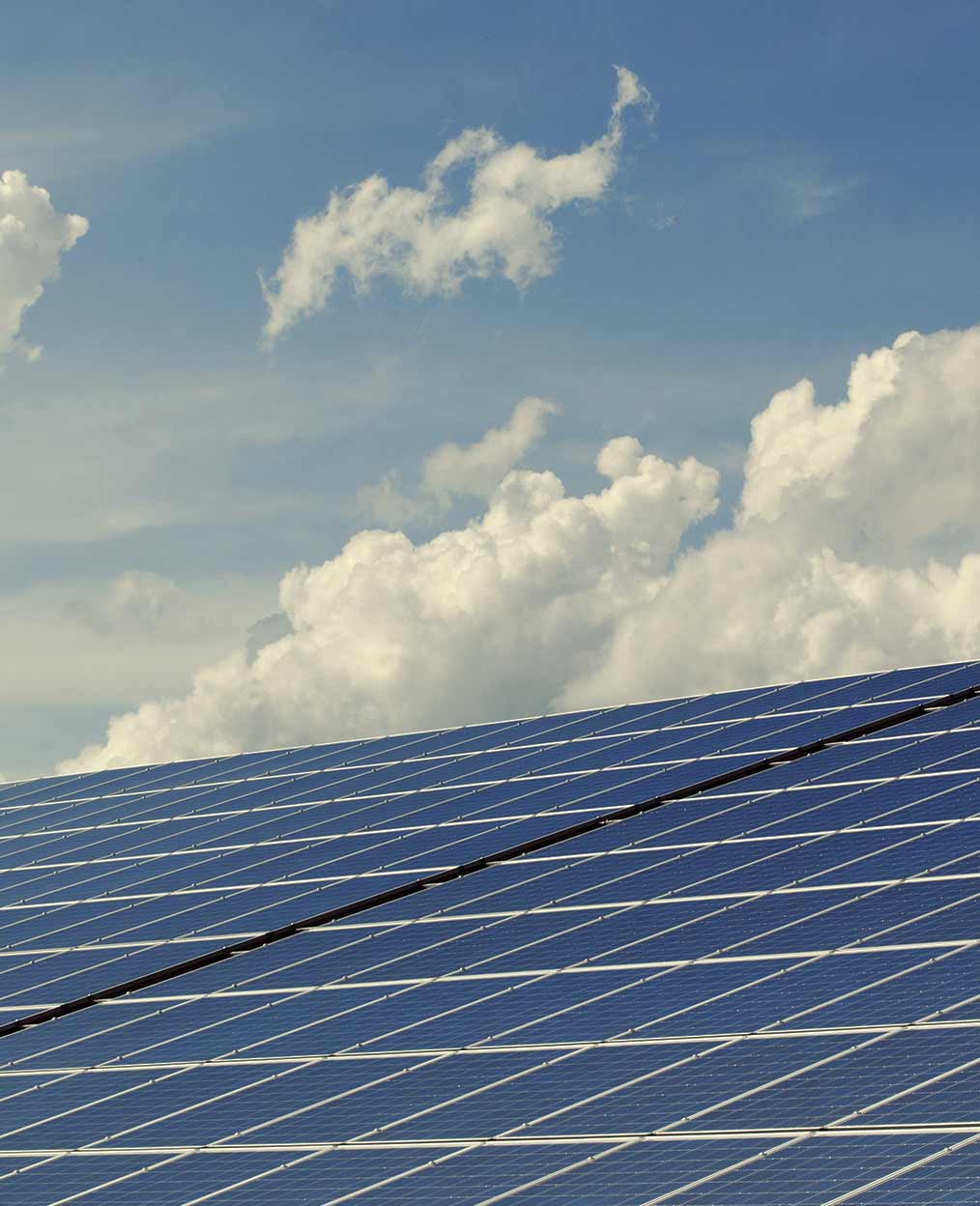
The sun has fueled a global solar revolution. Photovoltaic (PV) solar panels adorn rooftops, power vast utility-scale farms, and represent a cornerstone of our transition to a greener future. However, as the installed solar capacity continues its exponential growth, a critical question emerges: what happens when these panels reach the end of their useful lives? The answer to this question, particularly the stark contrast between landfilling and recycling, will significantly impact the true sustainability of solar energy.
At PVRecycling, we believe that for solar power to truly be a beacon of sustainability, its end-of-life management must be as green as its operational phase. Landfilling solar panels presents a hidden environmental hazard, releasing toxic substances into our ecosystems. Conversely, robust solar panel recycling offers a powerful solution, preventing contamination, recovering valuable resources, and reinforcing the circular economy.
The Growing Challenge of End-of-Life Solar Panels
The solar industry has enjoyed unprecedented expansion, with millions of panels deployed worldwide. While modern solar panels are designed for longevity, typically operating efficiently for 25 to 30 years, the first wave of large-scale installations is now approaching retirement. The sheer volume of decommissioned solar panels projected for the coming decades—potentially millions of tons by 2030 and tens of millions by 2050—presents a significant waste management challenge. Without a proactive and responsible approach, this mounting waste could undermine the environmental benefits that solar power promises.
The Dangers of Landfilling Solar Panels: A Closer Look at Toxicity
Many perceive solar panels as benign and harmless. While they generate clean electricity during their operational life, their composition at end-of-life requires careful consideration. A typical crystalline silicon solar panel, which constitutes the vast majority of the market, is a complex sandwich of materials, including:
- Glass (approximately 75% by weight): The protective outer layer.
- Aluminum Frame (approximately 10% by weight): Provides structural support.
- Encapsulant (e.g., EVA – ethylene-vinyl acetate): Seals and protects the solar cells.
- Silicon Cells: The core photovoltaic material.
- Copper, Silver, and Tin (less than 1% combined): Found in wiring, contacts, and solder.
- Polymers/Plastics: Used in the back sheet and junction box.
While these materials generally remain safely encapsulated during the panel’s operational life, their fate in a landfill is problematic. The primary concern lies with the presence of toxic heavy metals and other harmful substances that, over time, can leach into the environment:
- Lead (Pb): Historically a common component in solder used to connect solar cells. Even though lead content has significantly reduced in modern panels due to regulations and lead-free solder alternatives, older panels still pose a risk. Lead is a neurotoxin, harmful to human health and wildlife.
- Cadmium (Cd): While not typically found in crystalline silicon panels, cadmium telluride (CdTe) thin-film panels, which represent a smaller but significant portion of the market, contain cadmium. Cadmium is a known carcinogen and can be highly toxic if released into the environment. While the cadmium in CdTe modules is chemically bound and less mobile, improper disposal over long periods could lead to leaching.
- Selenium (Se): Another element found in some thin-film technologies, selenium can also be toxic in higher concentrations.
- Trace amounts of other heavy metals: Depending on manufacturing processes, other heavy metals like chromium or arsenic may be present in trace amounts.
- PFAS and other hazardous chemicals: Some older back sheets and encapsulants might contain per- and polyfluoroalkyl substances (PFAS) or other problematic chemicals, which are persistent in the environment and have been linked to various health concerns. While fluoropolymers used in some back sheets are generally considered low concern PFAS due to their stability, the broader issue of chemical leaching remains.
The environmental impact of landfilling is profound:
- Leaching into Soil and Groundwater: As panels degrade in landfills, exposed to rain and natural processes, the toxic metals and chemicals can leach out. This contaminated leachate can then percolate through the soil, eventually reaching groundwater aquifers, which are vital sources of drinking water.
- Contamination of Drinking Water Sources: Once in groundwater, these toxins can spread, potentially contaminating wells and municipal water supplies, posing direct public health risks.
- Harm to Ecosystems and Biodiversity: Contaminated soil and water can severely impact local ecosystems, harming plant life, aquatic organisms, and wildlife that rely on these resources.
- Long-term Environmental Burden: The persistence of these toxic materials means that landfilling creates a long-term environmental burden, with contamination potentially lasting for centuries.
Ultimately, allowing these materials to simply accumulate in landfills undermines the very premise of clean energy. The environmental benefits of solar power generation are significantly diminished if its end-of-life results in ecological damage.
The Benefits of Solar Panel Recycling: A Sustainable Solution
In stark contrast to the hazards of landfilling, comprehensive solar panel recycling offers a multifaceted and genuinely sustainable solution. Recycling is not just about avoiding harm; it’s about actively creating value and supporting a circular economy.
Environmental Stewardship:
- Prevention of Toxic Leaching and Environmental Contamination: The most immediate and critical benefit is preventing hazardous materials from entering landfills and contaminating our soil and water. By diverting panels from landfills, we safeguard public health and protect precious natural resources.
- Reduction of Landfill Waste and Land Use: Recycling significantly reduces the volume of solid waste. Given the projected scale of end-of-life panels, recycling frees up valuable landfill space, a finite resource.
- Lowering Carbon Footprint Compared to Raw Material Extraction: Manufacturing new solar panels from virgin raw materials is an energy-intensive process. Recycling recovered materials, such as aluminum, glass, and silicon, requires substantially less energy. For example, recycling aluminum uses 95% less energy than producing new aluminum from bauxite, and each recycled panel can prevent significant CO2 emissions.
Resource Recovery and Economic Value:
- Extraction of Valuable Materials: Solar panels are rich in valuable materials. Recycling processes can recover high-purity silicon, silver, copper, and aluminum, among others. These materials are not just waste; they are a valuable resource stream.
- Creation of Secondary Raw Materials for New Products: Recovered silicon can be re-used in new solar cells, while aluminum and glass can be repurposed for other industries. This reduces the need for new mining and processing, mitigating the environmental impacts associated with raw material extraction.
- Potential for Economic Growth and Job Creation: The establishment and expansion of solar panel recycling facilities create new industries, jobs, and economic opportunities within the green economy.
Promoting a Circular Economy:
- Keeping Materials in Circulation: Recycling embodies the principles of a circular economy, where materials are kept in use for as long as possible, rather than being discarded after a single use. This reduces reliance on finite virgin resources.
- Supporting Sustainable Manufacturing Practices: By creating a demand for recycled content, the recycling industry incentivizes manufacturers to design panels with recyclability in mind, fostering a more sustainable production cycle.
- Aligning with Broader Environmental Goals: Solar panel recycling is a crucial piece of the puzzle in achieving broader environmental goals, including waste reduction targets, greenhouse gas emission reductions, and resource conservation.
Furthermore, companies that actively engage in and support solar panel recycling demonstrate a commitment to environmental responsibility, enhancing their brand reputation and building consumer trust.
The Recycling Process: How It Works
Solar panel recycling is a sophisticated process that varies depending on the panel type (crystalline silicon or thin-film) and the technologies employed. Generally, the process for crystalline silicon panels, which dominate the market, involves several key steps:
- Dismantling: The first step involves manually or robotically separating the aluminum frame and the junction box from the main panel. These components are typically easily recycled through existing aluminum and e-waste recycling streams.
- Glass Removal: The large glass sheet, which comprises the majority of the panel’s weight, is then separated. This can be achieved through thermal processes or mechanical methods involving crushing and delamination. The recovered glass can often be recycled into new glass products.
- Encapsulant and Cell Separation: The remaining layers, including the encapsulant and the silicon cells, are then processed. Mechanical grinding creates powders of the materials which are then sent through phased, cyclonic separators to achieve 98% recovery of each element.
- Metal Recovery and Purification: Once the silicon cells are isolated, specialized techniques are used to extract valuable metals like silver and copper and present in small quantities. The recovered silicon then undergoes further purification to reach the necessary purity levels for reuse, potentially even in new solar panels.
Thin-film panels, particularly CdTe modules, often undergo a different process to specifically recover the semiconductor materials (cadmium and tellurium) in addition to glass and other metals. Dedicated facilities are emerging for these specific recycling streams.
Policy and Industry Initiatives for Responsible Recycling
Recognizing the escalating need for proper solar panel disposal, governments and industry players are increasingly stepping up.
In Europe, the Waste from Electrical and Electronic Equipment (WEEE) Directive mandates that manufacturers of electrical and electronic equipment, including solar panels, are responsible for their end-of-life management. This Extended Producer Responsibility (EPR) model places the financial and organizational burden of recycling on producers, incentivizing sustainable design and ensuring proper disposal. Organizations like The Solar Recycling Company are leading the way to innovate solutions.
In the United States, while comprehensive federal regulations for solar panel recycling are still evolving, individual states are taking the lead. Washington State, for instance, has implemented a law mandating solar panel manufacturer responsibility for recycling. Other states, including California, Hawaii, New Jersey, and North Carolina, have also begun to address end-of-life policies for PV waste. Federal initiatives, such as investments through the Infrastructure Investment and Jobs Act and tax credits in the Inflation Reduction Act, aim to reduce recycling costs and build out recycling infrastructure.
The industry itself is also innovating, with private companies developing advanced recycling technologies and services. The goal is to make solar panel recycling not only environmentally sound but also economically viable, thus promoting widespread adoption.
Conclusion: Embracing a Sustainable Future for Solar Energy
The choice is clear: landfilling solar panels poses a significant threat to our environment, releasing toxic materials and squandering valuable resources. Recycling, on the other hand, is a powerful tool for environmental protection, resource recovery, and the promotion of a truly circular economy.
For the solar industry to fulfill its promise as a cornerstone of sustainable energy, it must fully embrace responsible end-of-life management. This means advocating for robust recycling infrastructure, supporting policy initiatives that incentivize circularity, and educating stakeholders on the critical difference between landfilling and recycling.
At PVRecycling with our solar panel recycling services, we are committed to being part of this vital solution. By offering accessible and efficient solar panel recycling services, we empower individuals, businesses, and communities to make the responsible choice. Let’s ensure that the bright future powered by solar energy is not dimmed by a dark shadow of waste, but rather shines even brighter with the promise of complete sustainability. Choose recycling, choose a healthier planet.

